
Two Brothers, Two Tribes
In the late 80s early 1990s, my younger brother and I were on opposite sides of a divide that British music had already drawn for us.
I was listening to Genesis. He was into punk. Four years between us and what felt like an unbridgeable cultural divide. He thought prog was self-indulgent twiddling, and he was not entirely wrong about some of it. I thought punk was wilfully primitive. We were both missing the point.
Fast forward to 1994. I mentioned, almost in passing, that John Lydon, Johnny Rotten himself, the man who had declared war on everything prog stood for, had appeared on a record by Leftfield. A hard-edged electronic duo. Open Up, released November 1993, reached number 13 in the UK charts and number one on the dance chart. The NME called it “the record people had always wanted Lydon to do.” The Independent later described Leftism, the album it appeared on, as “a Dark Side of the Moon for the dance generation, a record that sounded as good in the drawing room as it did on the dancefloor.”
That comparison was not accidental. And it was the starting pistol for my brother’s journey into everything electronic.
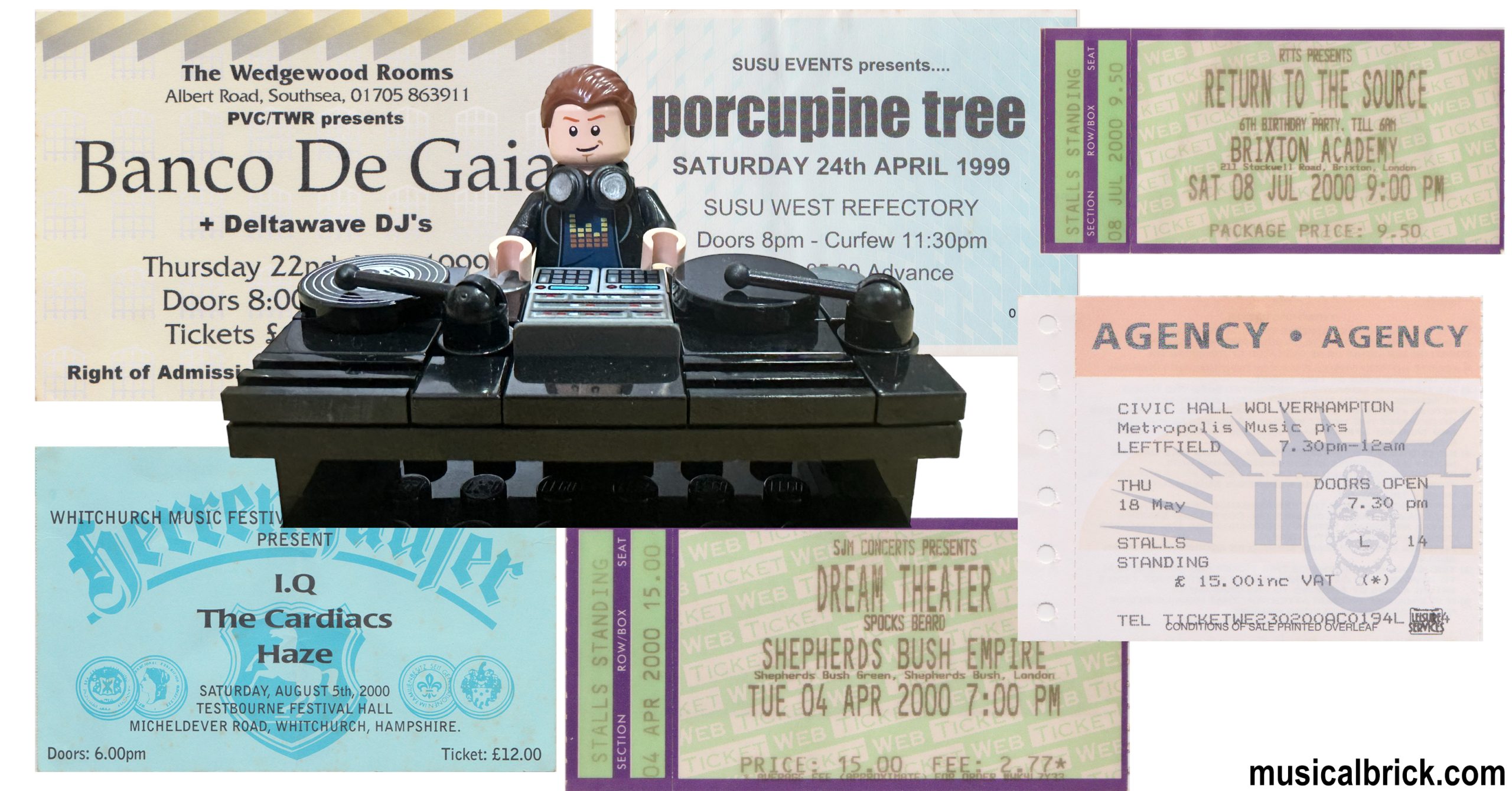
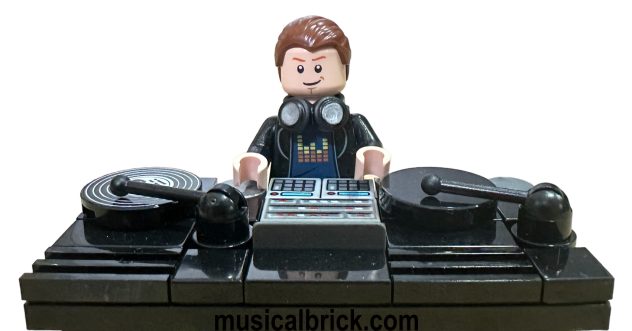
He went in one direction. Starting with Leftfield, Chemical Brothers, and Underworld, he moved into breakbeats and drum and bass, then psychedelic trance, buying his first decks in 1996. From there: Lab-4 and the Escape from Samsara trance sound, acid techno, hard trance, hard house, and eventually landing on techno proper. A full decade of movement through the electronic underground, each step taking him further from punk and closer to something harder to name.
I went in another direction. Genesis leading me back to Yes, Pink Floyd, and Vangelis, forward into Marillion, IQ, Pendragon, Cardiacs, then sideways into Ozric Tentacles and Porcupine Tree, and eventually into Opeth and Dream Theater. Deeper into the atmospheric and progressive end of rock with each step. Along the way he brought me Eat Static, Infected Mushroom, Orbital, Lab-4, and Banco de Gaia. I had already found The Prodigy and Leftfield at college, on my own, before I fully understood why they appealed to me. The journey back to each other took the better part of a decade. But we arrived at the same music from opposite sides.
That is not just a family story. It is a small map of a much larger cultural history that I don’t see mentioned enough. And there was already overlap neither of us had named: Ozric Tentacles sat in both worlds simultaneously, a prog-space-rock band born at the Stonehenge Free Festival, whose members later founded Eat Static, one of the UK’s defining psychedelic trance acts. I was listening to Ozrics from the prog side. My brother was heading toward Eat Static from the electronic side. We were already closer than we realised. Two musical worlds that were supposed to be enemies turned out to be building the same rooms, just with different tools.


This article is about why.
A Definition First
By “electronic music” this article means something specific: the UK strand of ambient house, psychedelic trance, and progressive electronic music that ran from roughly 1988 to 2000, and never entirely stopped. Not commercial EDM. Not Chicago house. Not arena trance. The atmospheric, long-form, world-building end of UK electronic culture. The music that filled chill-out rooms, festival fields, and headphones at 3am.
This is also not a claim about all prog. The theatrical, virtuoso, album-mythology strand of prog largely stayed where it was. What this article traces is the atmospheric, psychedelic, synth-led strand, the one that escaped into electronic music, left its structural fingerprints there, and was eventually acknowledged by the people who made both.
That strand and UK atmospheric electronic music share more than most people have treated as a single continuous line. This article makes that case.
The Obvious Thing Nobody Says
Start with the instrument.
Both were built on the synthesiser. Not as a supporting instrument. As the emotional core.
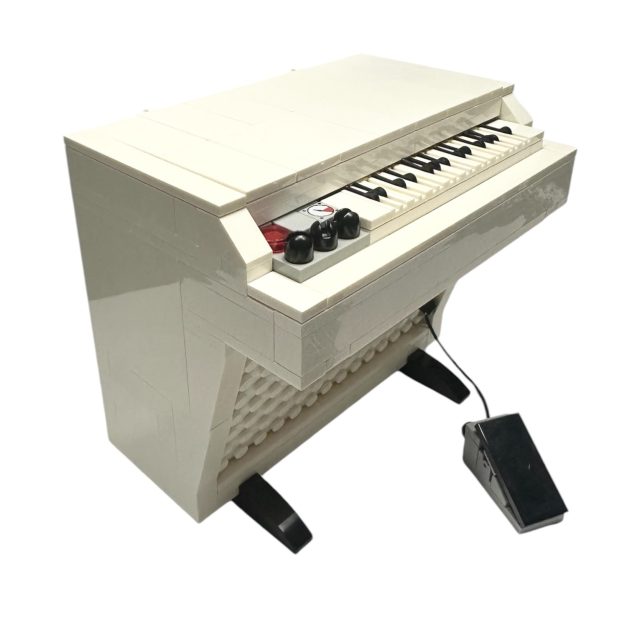
Tony Banks used the ARP Pro Soloist, the Mellotron and organ to build cathedrals of sound inside Genesis tracks. Keith Emerson treated the Moog as a lead instrument capable of replacing an orchestra. Richard Wright’s organ and synth pads on Pink Floyd records were not texture. They were the room itself, the space the listener inhabited.
Walk that sensibility forward twenty years and you find Liam Howlett of The Prodigy doing exactly the same thing. The synth lines on Music for the Jilted Generation (1994) create textural environments, not just beats. The album opens with an orchestral sample and a political spoken-word declaration. It closes with a three-part suite, 3 Kilos, Skylined, Claustrophobic Sting, that functions as atmospheric dissolution rather than peak-time dancefloor fuel. Those closing tracks were made for the listener alone with headphones, going somewhere else.
That is a prog instinct. It arrived wearing different clothes.
A Recurring Architecture
Across this lineage, from prog to ambient house to psychedelic trance, three elements recur with unusual weight: an atmospheric layer that defines the sonic environment; a pulsing bass that drives momentum; a melodic voice that rides above both.
Other music has these elements. What distinguishes this lineage is how deliberately each layer is constructed, how long it is sustained, and how consciously it moves the listener somewhere. The proportions shift between genres. Prog weights complexity; ambient house weights duration and texture. But the intent recurs. Build an environment. Lock the pulse. Carry the listener through it on a melodic thread.
In Apocalypse in 9/8, the Mellotron provides the atmospheric bed, the bass pedals lock the pulse, and Banks’s organ solo is the melodic voice riding above both. In Starless, the Mellotron sustains atmosphere for several minutes before John Wetton’s bass locks in with the relentless 13/8 riff (written, paradoxically, by drummer Bill Bruford) and Robert Fripp’s guitar begins its relentless climb. In Underworld’s Dark and Long, the same three elements operate at longer duration and lower complexity, but the architecture is recognisably the same impulse.
What changes is the path to arriving there.
Prog earns the release. You do not get the pulse immediately. You live through complexity, narrative, time signature changes, and harmonic tension first. Supper’s Ready builds across five distinct sections before the 9/8 lock-in. Starless spends nine minutes in mournful atmosphere before the bass riff arrives. The complexity is not self-indulgence. It is structural tension, the mechanism that makes the release mean something physically.
Ambient house and psychedelic trance compress the timeline. The DJ earns the release across an entire set rather than a single track. Tension builds over hours. The peak arrives at 2am rather than at minute nineteen. The unit of architecture is the night, not the album side.
Same intent. Different clock.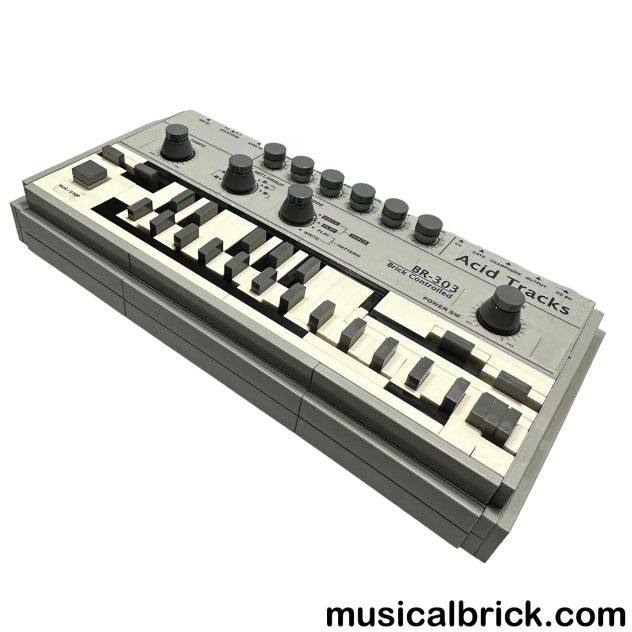
The Bridge History Noticed in Fragments
The connection is not just sonic. It is a documented cultural handover that has been acknowledged in pieces, but never mapped as a single continuous line. It happened through specific people.
Steve Hillage was guitarist in Gong, the Canterbury/French psychedelic-prog collective, through the 1970s. In 1979 he released Rainbow Dome Musick, an ambient record of long, floating synthesiser pieces that went largely unnoticed at release. Ten years later, Alex Paterson of The Orb was playing it in chill-out rooms at acid house events in London. Paterson’s chill-out sets pulled exhausted dancers off the dancefloor and placed them inside long, atmospheric sound worlds, exactly what a prog album side does.
Hillage heard what was happening. By 1989 he and Miquette Giraudy had formed System 7, stepping directly from the psychedelic-prog world into the electronic underground. Their 2026 album Flower of Life features Alex Paterson alongside Coldcut’s Matt Black, making the circle explicit across nearly four decades. The press notes describe music designed to “induce a trance-like euphoria, radically altering our mind state.” That is not dance music marketing language. That is the same ambition that drove Atom Heart Mother.
The Ozric Tentacles story runs parallel and is the hidden hinge of this argument. Born at the Stonehenge Free Festival in 1983, they carried the complete DNA of space rock: improvisation, psychedelia, unusual time signatures, DIY festival culture, and the belief that music should transport you somewhere genuinely strange. Then Merv Pepler and Joie Hinton, both Ozric members, formed Eat Static, becoming one of the UK’s early live psychedelic trance acts. Pepler described the shift with disarming honesty: “There we were in Ozrics doing all this technically impressive, weird music with mad timings… this experiment that became Eat Static was a good excuse to ignore all that, get the synths out.”
He did not say the ambition changed. He said the format changed. Relocate the listener, create a temporary sonic environment, produce a changed state of attention through sound. The goal remained identical.
The overlap was not just structural. It was physical. The Megadog and Club Dog nights, genre-agnostic rave events that grew out of London in the early 1990s and spread nationally, put Ozric Tentacles and Orbital on the same bills. The same room. The same audience. The separation between prog ambition and electronic energy was already a fiction before anyone had named it as such.
Martin “Youth” Glover is perhaps the most underappreciated figure in this entire story. As bassist and co-founder of Killing Joke from 1978, Youth was already running dub basslines and hypnotic rhythmic pulses through a rock format before most people had heard of either post-punk or electronic music. After leaving Killing Joke he co-founded the Wau Mr Modo label with Alex Paterson, and The Orb’s first release appeared on Youth’s own compilation Eternity Project One in 1988. He was not adjacent to The Orb’s formation. He was part of its foundation.
Youth then founded Dragonfly Records, one of the defining labels of UK psychedelic trance, while simultaneously producing Pink Floyd, Paul McCartney’s experimental Fireman project, and Kate Bush. His production web is a map of the entire lineage in a single career. He walked all the way through it in real time.
The Other Parents
Prog was not the only ancestor of this music. Dub mattered just as much.
Bass as architecture. Echo as space. The studio as an instrument rather than a recording device. Youth’s entire sensibility is rooted in dub, and The Orb’s ambient house combined dub techniques and effects with almost progressive rock structures. Leftfield drew heavily on dub. Sound system culture, delay, bass pressure, all of it fed directly into the atmospheric and physical language of UK electronic music.
The German and French electronic lineage is also present behind this argument. Tangerine Dream, Klaus Schulze, Kraftwerk, Ashra, Jean-Michel Jarre. Their influence on synthesis, texture, and long-form composition runs through everything described here. But this article focuses specifically on the British route: from prog festival culture, through post-punk and dub, into ambient house and psytrance. That route has its own coherence and its own cast of characters.
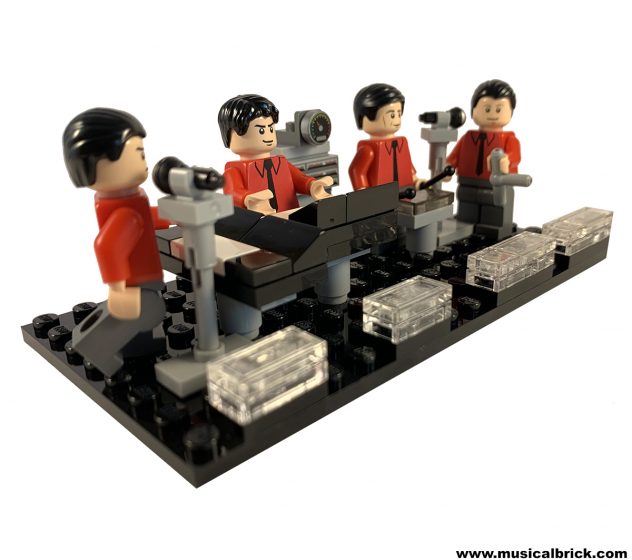
The point is not that electronic music secretly came from prog alone. It is that one strand of electronic music preserved prog’s world-building instinct, and dub supplied much of the physical language that made that world feel bodily, not just cerebral.
The Orb: Where It Became Explicit
No act makes the connection more visible than The Orb.
They were described as “the Pink Floyd of techno,” a phrase used as shorthand but more revealing than dismissive. Alex Paterson understood it as a genuine observation: “When you build a bridge between types of music, it goes two ways. It didn’t surprise me that prog fans liked what we were doing.” The Orb’s ambient house worked like a space-rock album without guitars, verses, or traditional song structures. Spacious, cinematic, strange, unhurried, and deeply concerned with atmosphere over event.
Then the collaborations arrived and made everything explicit. Robert Fripp of King Crimson appeared on the FFWD project. David Gilmour collaborated on Metallic Spheres in 2010. Jean-Michel Jarre, who sits precisely at the junction of classical synth composition, prog ambition, and electronic music, has remained connected to this world throughout his career.
These are not random celebrity pairings. They are acknowledgements of shared lineage by people who understood exactly what they were acknowledging.
What Transferred, and How
This strand of electronic music did not inherit everything from prog. The selection was deliberate and, in retrospect, intelligent.
It discarded the old display of virtuosity: the twenty-minute guitar solo as public performance of mastery, the gatefold sleeve mythology, prog’s worst habit of using complexity as a dominance signal. What it kept was scale, atmosphere, and the structural belief that a listening experience could last longer than three minutes and be richer for it.
But virtuosity did not disappear. It relocated. Mastery moved from the fretboard to the studio, the sampler, the sequencer, the mixer, and the live rig. Liam Howlett, Aphex Twin, the Eat Static duo: these were virtuosos. The audience simply stopped watching the technique and started inhabiting the result.
The guitar solo became the filter sweep. Same emotional function, the climactic melodic voice riding the pulse at the peak of the journey, but the philosophy of authorship changed completely. The guitar solo requires a virtuoso displaying mastery in public. The filter sweep requires a producer shaping texture invisibly.
Prog celebrated the player. Electronic music celebrated the state.
No Longer Embarrassed
For decades this connection existed as an open secret neither side wanted to claim. Prog fans did not want to admit they loved a pulse. Electronic music heads did not want to acknowledge a debt to men in capes.
That embarrassment has largely dissolved. And no act makes the point more cheerfully than HENGE.
HENGE are a Manchester-based group who play what they call, with complete sincerity and complete absurdity, “Cosmic Dross.” Their live shows function simultaneously as prog concerts and electronic music events. The crowd listens to complex arrangements and moves to locked grooves. The synth atmospheres are vast. The bass pulses relentlessly. The lead melodies are memorable. They recently shared a stage on a UK tour with Gong, the Canterbury prog collective that produced Steve Hillage, closing a circle that stretches back to the early 1970s.
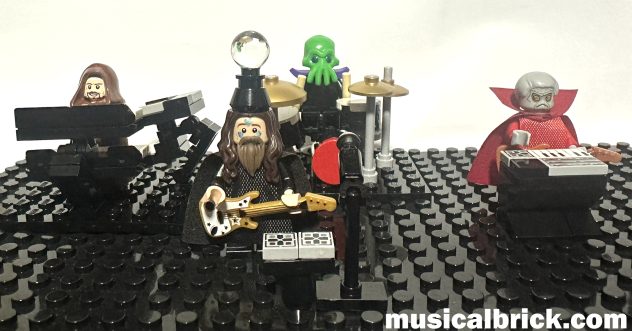
HENGE are not bridging two worlds. They are performing from a place where the bridge was never necessary, where the separation between prog ambition and electronic energy was always a marketing category rather than a musical reality.
The Same Impulse, Different Machines
My brother reached it through decks, basslines, psychedelic trance, and rooms full of people moving after midnight. I reached it through Tony Banks, Mellotrons, concept albums, and headphones. For years, we thought we were travelling in opposite directions.
We were not.
We were following the same impulse through different machines, the impulse to use sound to build a temporary world, to produce a changed state of attention, to move a listener somewhere they cannot otherwise reach through entertainment alone.
One answer involves time signature changes, Mellotrons, and concept albums. The other involves synthesisers, filter sweeps, and extended DJ sets stretching across a night. But trace either answer back and you find the same recurring architecture, the same intent, the same fundamental belief: music can be an environment. It can be a journey. It can move you somewhere you cannot otherwise reach.
Prog rock did not die.
Part of it found a drum machine.
And some of it went electronic.


Leave a Reply